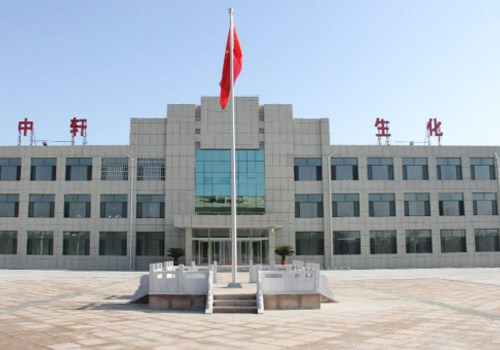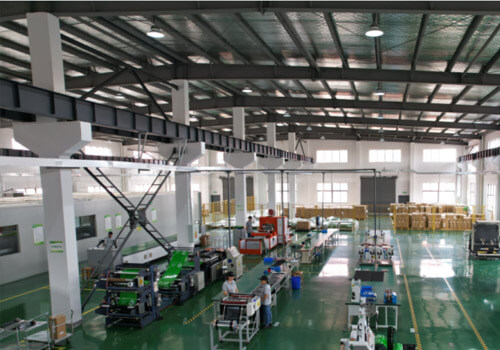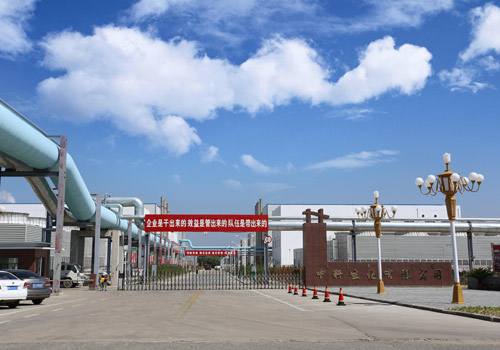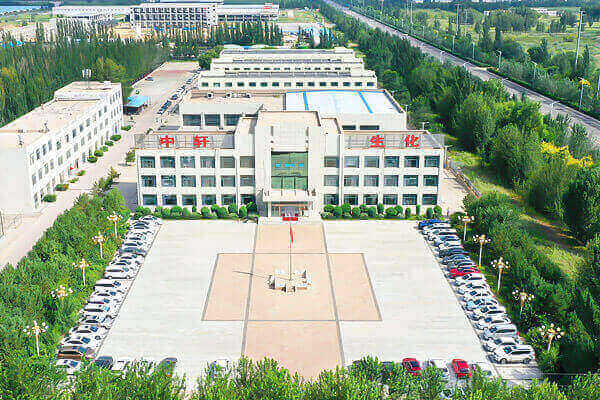
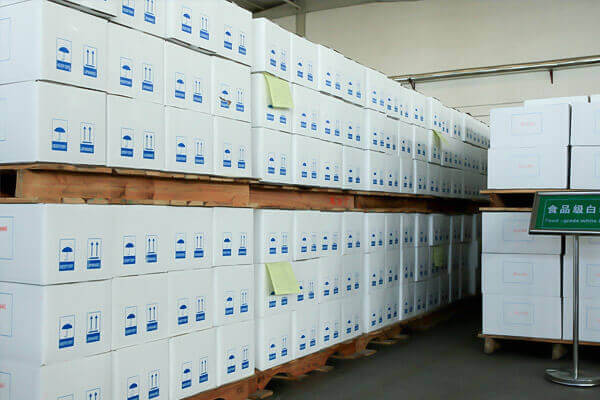
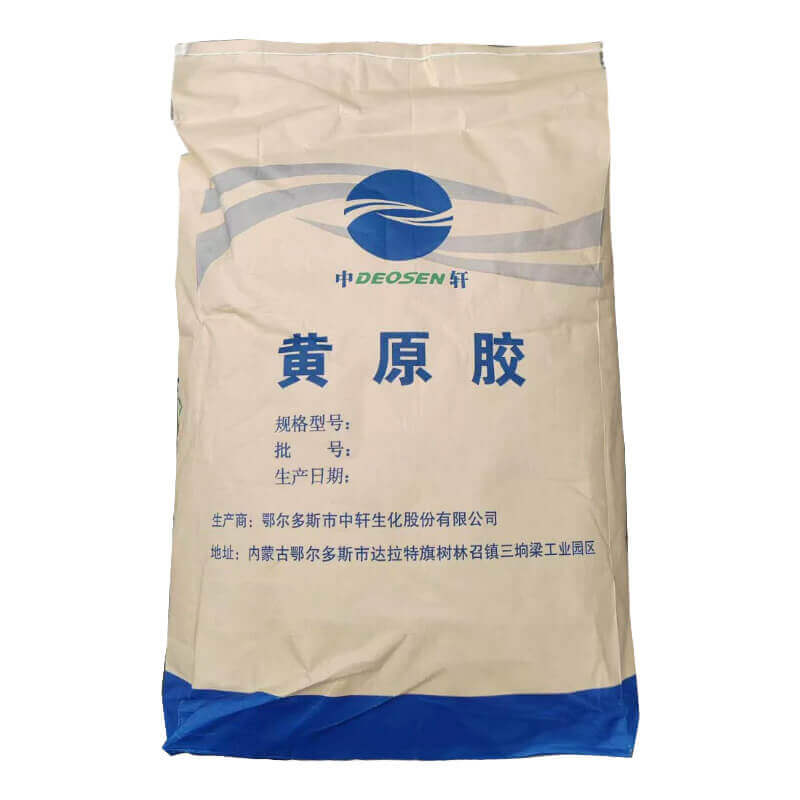
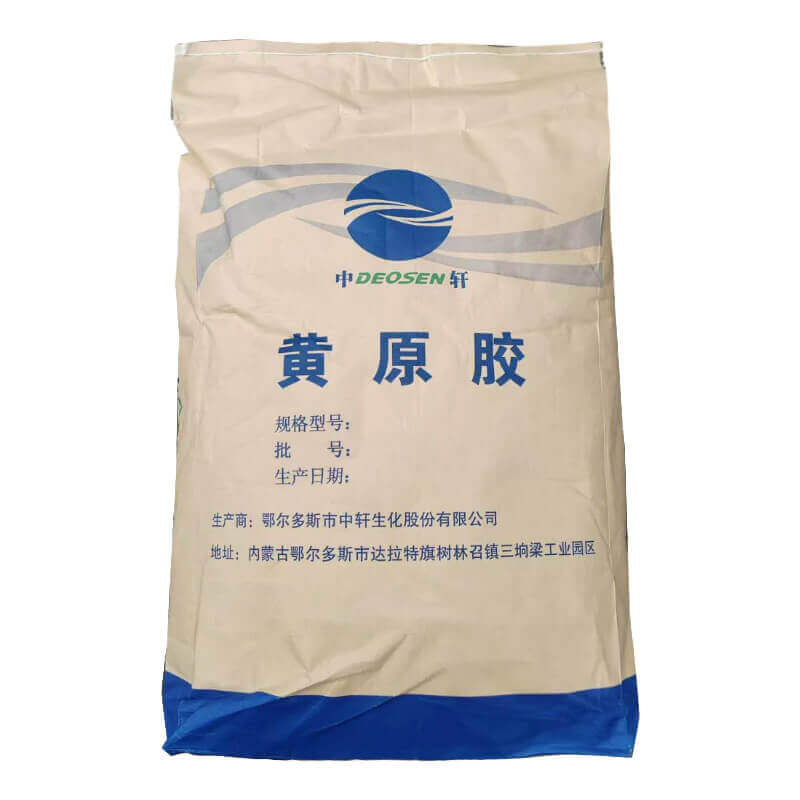
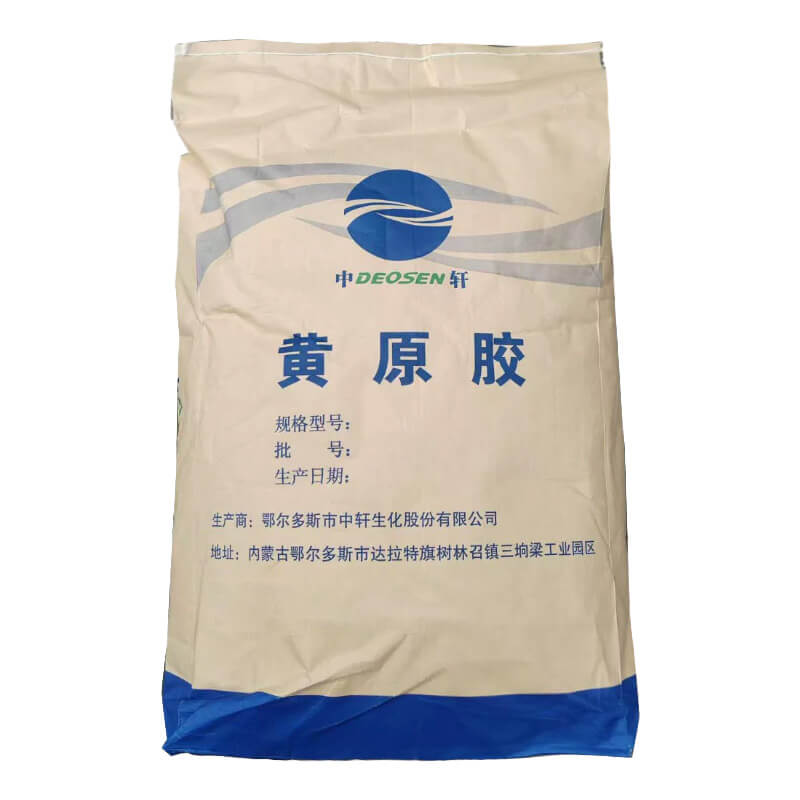
Those of us who actually take raw materials, run them through reactors, separate fractions, dry, grind, and package by the ton appreciate what goes into high-volume, high-purity biochemical manufacturing. Deosen Biochemical (Ordos) Ltd. earned its place in industry conversations by making a real commitment to xanthan gum production and setting up shop right in Ordos, an area with access to both raw materials and the infrastructure needed to support such a large operation. Any chemical plant aiming for this scale faces a maze—procurement challenges, supply chain swings, scale-up glitches, regulatory hurdles, and, of course, real-time quality headaches. That complexity forms the backbone of this industry, not just buzzwords about “innovation.” Raw material consistency keeps us up at night. Corn, glucose, and other carbohydrate sources shift in quality by season, supplier, and even storage method. Deosen chose a location with a strong agricultural hinterland, which cuts down on variability and transportation risks. They can line up contracts with local suppliers, keep tabs on crop yields, and minimize the uncertainty every production shift brings. That sort of access is not just a convenience, it sets the foundation for regular runs that stay inside strict specification windows. A factory fighting with bad feedstock on a regular basis struggles to deliver the batch-to-batch predictability demanded by food, pharma, and oilfield customers. Another pain point any factory faces is downstream demand. Global food processors, cosmetics makers, and oilfield service giants want large lots, price stability, and consistent viscosity profiles in every drum. This is not about clever marketing or fancy buzzwords about “customization”—it’s about strict adherence to process controls and keeping bacteria cultures happy batch after batch. Deosen understood how many demand drivers hinge on rigorous fermentation control and timely logistics. That level of attention, from batch seeding through downstream polysaccharide purification, shows commitment to the real work of large-scale bioproduction. Any slip in spore control, environmental stewardship, or microbial contamination means off-spec material and lost contracts. That’s an expensive lesson only a direct manufacturer ever truly feels. The energy profile of a biotechnology plant looks much different from years past. Ordos sits amid ample coal and growing renewable resources. Energy costs never stay flat, and spikes can erode margin fast—even one week of out-of-profile power supply complicates fermentation schedules, heat exchange, and energy balancing. Deosen’s leadership understands energy isn’t just a line on an expense sheet. It’s a constant operational chess match: Do you add backup heat exchangers, switch to more energy-stable batches, or invest in on-site renewables? These choices mean big capital outlays, but they drive long-term resilience. Factories in less stable power grids rarely keep pace at this scale. True producers operate under constant regulatory scrutiny. Inspections can come with little warning, and new standards can reset entire processing steps overnight. Deosen, like us, must handle wastewater, emissions, and by-products—nothing gets brushed under the rug. Techniques for reducing chemical oxygen demand or meeting discharge limits require significant investment and training. Systems that recover solvent, reduce water use, and convert by-products provide not just environmental protection—they protect license to operate. Such measures involve hundreds of operating hours, trial runs, and real-world data, not just declarations on a website. Traceability stands as another major obligation. Bigger customers rightfully demand records back to the original batch and even lots of the starting carbs. Leaving this to chance or fudging records carries too much risk for any legitimate plant. Deosen has built systems with RFIDs, inline sensors, and cloud backups to minimize recall impact. Audit trails aren’t a luxury—they are cost centers that protect reputation and guarantee business continuity. Without robust traceability, a single incident can close the gate on valuable export markets overnight. These are practices learned on factory floors, not in conference rooms. Biomanufacturers can’t ignore environmental stewardship anymore. Discharging waste fermentation broth or air emissions at the wrong time, with the wrong composition, brings down not just regulatory trouble, but pressure from downstream customers. Global brands screen suppliers heavily for sustainable operations, and anyone using loopholes or cut corners loses market access. Deosen’s public reports mention bioenergy co-generation and recycling of by-products, but the real litmus test is whether each production campaign leaves as small an environmental footprint as possible. That means investment in real assets—anaerobic digesters, low-NOx burners, brine treatment—the kind of outlays non-producers rarely understand or plan for. Making chemicals at industrial scale means laboratories don’t set the course—frontline operators do. Fine-tuning batch pH, protecting the inoculum, and watching for subtle contamination signals make or break a campaign. Microbial fermentation has no “pause button”—miss one alarm and the entire run can tank. Deosen tunes every valve, agitator, and separator on the floor, spending for metrology tools and redundancy. As producers, we know even a few hours of missed contamination can lead to a month of customer complaints or costly reprocessing. There’s a sharp difference between claims from a marketing deck and the experience built into plant protocols, shift routines, and continuous improvement. Today’s buyers don’t just want product; they want verification. Certificates sit at the end of a deep bench of in-house and third-party testing. We endure spot checks, random audits, and surprise sample pulls from shipments already on the truck—no room for “trust us” attitudes. Companies like Deosen take up the challenge, bolstering stability by layering in multi-step QC, cross-calibration, and electronic data lockers. This becomes more than compliance—it’s a daily insurance policy, earned through real investment. Unexpected process hiccups pop up in large plants—equipment fouls, filters blind, feedstock purity slips. In the real world, mistakes happen. How the operating team responds says more about company health than any sales brochure ever will. Speedy isolation, documentation, root cause analysis, and full transparency—these are standards forged under real operating pressure. Coordination between plant management, quality assurance, and logistics underpins reputational resilience. International buyers wield ever more power, leveraging terms, prices, and volumes to squeeze suppliers. Freight delays, currency swings, and regulatory shifts pile on top. Only large-volume manufacturers with streamlined processes and flexible contracts stay in business when the market gets rough. Deosen chose to expand capacity, betting on technical strength and operational insight rather than just proximity to cheap labor or energy. The survival story of biochemical producers depends on that deep-rooted know-how—engineers who dare to shut down lines to chase a fix, managers who walk the floor during night shifts, and maintenance staff who catch issues before they become failures. New research will always promise breakthrough compounds or revolutionary yields, but only scale-tested plants with robust supply networks can fulfill those promises reliably. Everyone in this industry faces choices about R&D investment, pilot plant rollouts, and how to shift recipes or protocols to meet shifting customer needs. Fast followers get left behind. Deosen’s journey shows what it looks like to bet on technology and process discipline over shortcuts and hype. Not everything goes according to plan in chemical manufacturing. The discipline and resources behind companies like Deosen Biochemical (Ordos) Ltd. highlight the difference between a spec sheet and the tough reality of delivering every truckload, month in and month out. Keeping sight of source materials, handling regulatory fire drills, tempering customer demands, and building in true operational resilience sets real manufacturers apart from those just passing paperwork along. Anyone who has stood inside a running plant knows quality does not start with a certificate—it begins with every decision made across the production line, and that experience comes only from years of facing the process head-on. CONTACT INFORMATIONWebsite:https://www.deosen-xanthan.com/Phone:+8615371019725Email:sales7@alchemist-chem.com
Read More